MULTIPLE ACADEMY LOCATIONS — FIND YOUR NEAREST VENUE
CERTIFIED PGA MASTER NSTRUCTORS AVAILABLE ACROSS ALL ACADEMIES
TRUSTED BY TOUR PROFESSIONALS & TOP AMATEURS NATIONWIDE
Coaching Available — Juniors, beginners & elite players
Custom Club Fitting — Data-led & brand agnostic
MULTIPLE ACADEMY LOCATIONS — FIND YOUR NEAREST VENUE
CERTIFIED PGA MASTER NSTRUCTORS AVAILABLE ACROSS ALL ACADEMIES
TRUSTED BY TOUR PROFESSIONALS & TOP AMATEURS NATIONWIDE
Coaching Available — Juniors, beginners & elite players
Custom Club Fitting — Data-led & brand agnostic
MULTIPLE ACADEMY LOCATIONS — FIND YOUR NEAREST VENUE
CERTIFIED PGA MASTER NSTRUCTORS AVAILABLE ACROSS ALL ACADEMIES
TRUSTED BY TOUR PROFESSIONALS & TOP AMATEURS NATIONWIDE
Coaching Available — Juniors, beginners & elite players
Custom Club Fitting — Data-led & brand agnostic
MULTIPLE ACADEMY LOCATIONS — FIND YOUR NEAREST VENUE
CERTIFIED PGA MASTER NSTRUCTORS AVAILABLE ACROSS ALL ACADEMIES
TRUSTED BY TOUR PROFESSIONALS & TOP AMATEURS NATIONWIDE
Coaching Available — Juniors, beginners & elite players
Custom Club Fitting — Data-led & brand agnostic




Golf Workouts Every Player Needs For Peak Performance
Introduction
Why do some golfers still have snap in their swing on the 18th while others feel like they are dragging the club after the 12th? Why does one player keep adding yards and control each season while another buys new clubs and still sees the same weak slice?
A big part of the answer is golf fitness. Well-designed golf workouts build the engine behind the swing. They drive clubhead speed, protect the back and shoulders, and keep focus sharp when scores matter most.
At Elite Golf Academies we see this every day. When we combine biomechanical assessment, TrackMan data, 3D motion, and evidence-based conditioning from our golf fitness coach Kiran Mistry, players move better and score better. This guide shares the same pillars we use across our UK sites so you can build realistic, effective golf-specific training into your week.
Key Takeaways
Why Golf-Specific Fitness Training Improves Your Game
The golf swing is a fast, full-body action that starts at the feet and finishes at the clubhead. If one link in that chain is weak or stiff, the whole motion suffers. General gym work helps, but golf workouts that mirror the swing pattern help far more.
Common findings when we assess players at Elite Golf Academies:
Targeted conditioning fixes these weak links. Stronger glutes drive the downswing, a stable core keeps spine angle steady, and better shoulder control keeps the club on plane. The result is more speed, fewer injuries, and better quality swings on the back nine when others fade.
The Five Pillars Of Golf Fitness We Focus On
To keep golf fitness simple and balanced, we use five pillars. Every programme we write touches them all, then we shift the emphasis based on assessment results.
Train across all five and you build a body that can load, rotate fast, and repeat for every shot in a round or tournament.
Building An Unshakeable Core Exercises For Rotational Power

For golfers, the core is more than a six-pack. It includes the deep abdominals, obliques, lower back, pelvic floor, and hip flexors. This system links legs to arms so power can travel from the ground into the club.
We split core work into:
Both qualities show up in every solid swing.
Anti-Rotation Exercises For Stability
Anti-rotation work teaches the trunk to stay strong while the limbs move, just like a stable posture during the downswing.
Key exercises:
Over time this shows up as a steady spine angle from address to follow-through.
Rotational Power Development
Once you can resist rotation, you need to produce it quickly.
Useful drills:
Two to three core power sessions per week, alongside range work, are enough for most players.
Upper Body Strength Training For Increased Clubhead Speed

When programmed around movement (not body-building poses), upper body strength work improves club speed and shoulder health rather than making you stiff. Strong push and pull patterns give the club a more stable, powerful base.
At Elite Golf Academies we blend:
Pushing Movements For Power
Push movements train the chest, shoulders, and triceps:
These moves help you apply more force to the club without sacrificing mobility.
Pulling Movements For Balance And Posture
Pulling work balances pressing and supports golf posture:
Aim to match your weekly pulling volume to your pushing volume.
Shoulder Health And Mobility Work
Healthy shoulders are non-negotiable for pain-free golf. We weave these into warm-ups and cool-downs:
Lower Body Training The Foundation Of Power Transfer
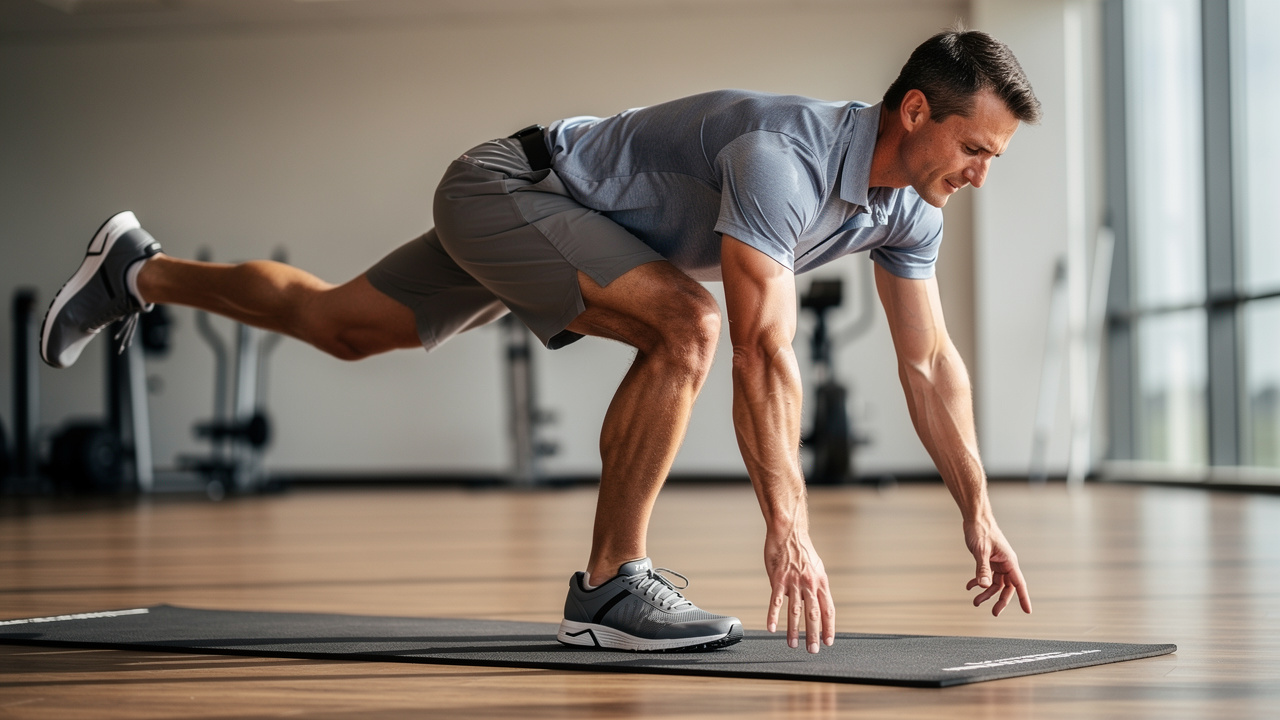
Distance starts from the ground. Strong legs and hips let you press into the turf, rotate hard, and keep posture for all 18 holes. Weak or tired legs mean swaying, sliding, and poor contact.
We use both:
Single-Leg Stability And Balance
Single-leg training teaches you to handle load and rotation when weight sits more on one side.
Key exercises:
Better single-leg control often shows up as a smoother weight shift and more solid finish.
Bilateral Lower Body Strength
Two-leg patterns build total leg and hip strength:
At Elite Golf Academies we assess squat and hinge patterns with video and, where useful, 3D tools to match the exercise to the player.
Mobility And Flexibility The Key To An Unrestricted Swing
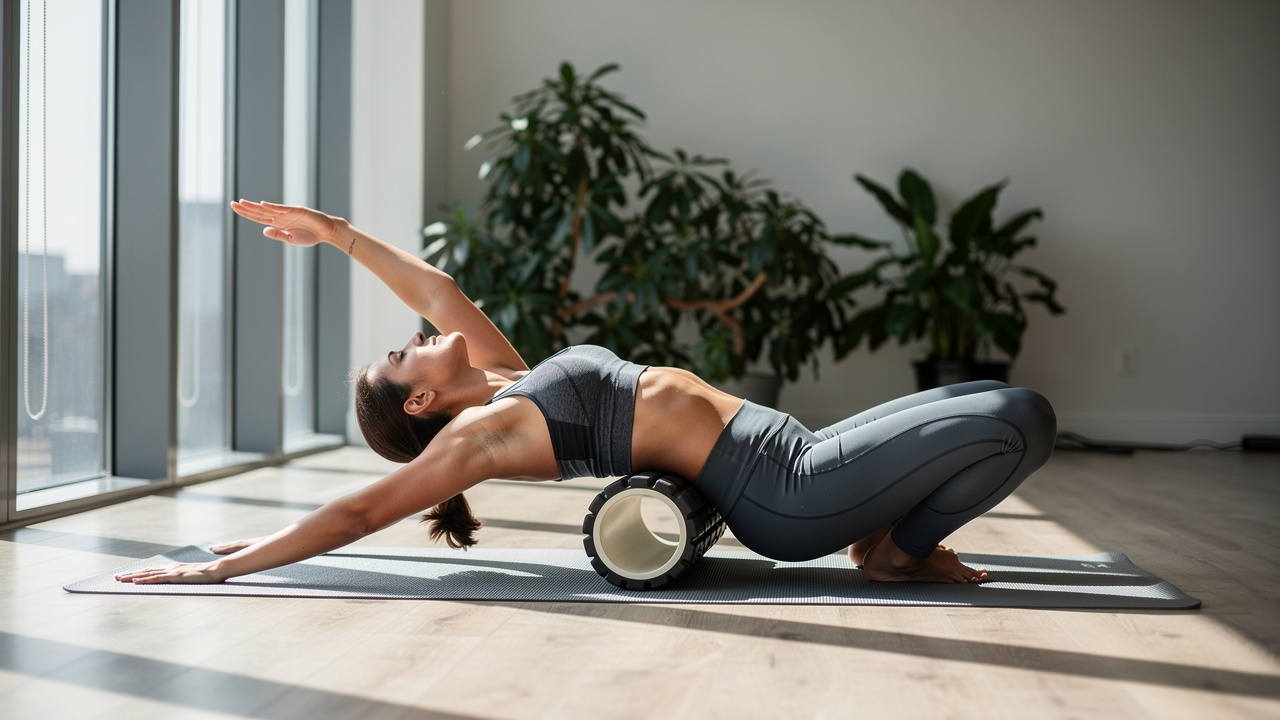
Strength without usable range of motion is a problem. Golfers need:
Stiff hips, mid-back, or shoulders make the body cheat with sway, early extension, or excess lower back arch. Improve mobility and many swing faults soften before you even change technique.
Thoracic Spine Rotation And Extension
The mid-back is central to a full shoulder turn.
Helpful drills:
We check thoracic mobility in our biomechanical screens and assign specific drills from there.
Hip Mobility And Glute Activation
Mobile, strong hips allow rotation without sliding or dumping strain into the lower back.
Use:
Shoulder And Wrist Flexibility
Shoulders and wrists handle big speed and load:
We favour dynamic stretches before play and mostly static work after rounds or workouts.
Explosive Power And Deceleration Training
Golf is fast, not just smooth. To gain speed safely you must:
Well-planned explosive golf workouts mix plyometrics with braking drills so power and control grow together.
Plyometric Exercises For Explosive Starts
Start with low volume and crisp reps:
Keep sets short (8â12 total quality reps per exercise) with plenty of rest.
Eccentric And Deceleration Training
Braking drills protect elbows, shoulders, and spine:
We weave these into upper and lower body days at Elite Golf Academies, especially for players who practise a lot or swing very fast.
Structuring Your Weekly Golf Fitness Programme
A list of exercises is helpful; a structured plan is what changes your game. We prefer shorter, regular golf workouts that sit alongside practice and play instead of competing with them.
Light cardio also supports on-course freshness and recovery, so we add it around strength and power work.
Sample Weekly Training Schedule
A typical balanced week might look like:
During tournament weeks we reduce strength volume and keep mobility and activation work high.
Progressive Overload And Variation Principles
To keep improving, training needs to get slightly harder over time:
We only change one variable at a time and track sessions in a simple log. Small exercise swaps every few weeks (new squat style, different row angle, fresh core drill) keep progress moving without confusion.
Injury Prevention Protocols We Implement
Many golfers arrive with lower back pain, sore shoulders, golferâs elbow, or wrist issues. Rather than only chasing symptoms, we use targeted conditioning and smart recovery habits to remove the causes.
Typical patterns we see:
Biomechanical assessments at Elite Golf Academies highlight these issues so we can address them directly.
Foam Rolling And Self-Myofascial Release
Foam rolling helps ease tight areas and support recovery, especially in:
Spend 30â60 seconds per area, 2â4 times per week. Aim for âgood pressureâ rather than pain and avoid rolling directly on joints.
Active Recovery And Rest Days
Gains appear between sessions, not during them.
Good habits:
We build lighter weeks into training plans around busy playing periods.
Nutrition Strategies To Support Your Training
Training provides the signal. Food and drink provide the raw materials. Without solid nutrition, even the best golf workouts cannot do their job.
We keep nutrition advice clear and practical:
Fuelling For Performance And Recovery
Simple guidelines:
After strength or power sessions, a snack with protein and some carbs within a couple of hours supports recovery. Supplements are optional extras; most progress comes from everyday food choices.
Hydration And On-Course Energy Management
Even mild dehydration can harm focus and coordination.
For tournament play we help players plan these snacks by hole so energy stays steady.
How Elite Golf Academies Personalises Your Fitness Programme
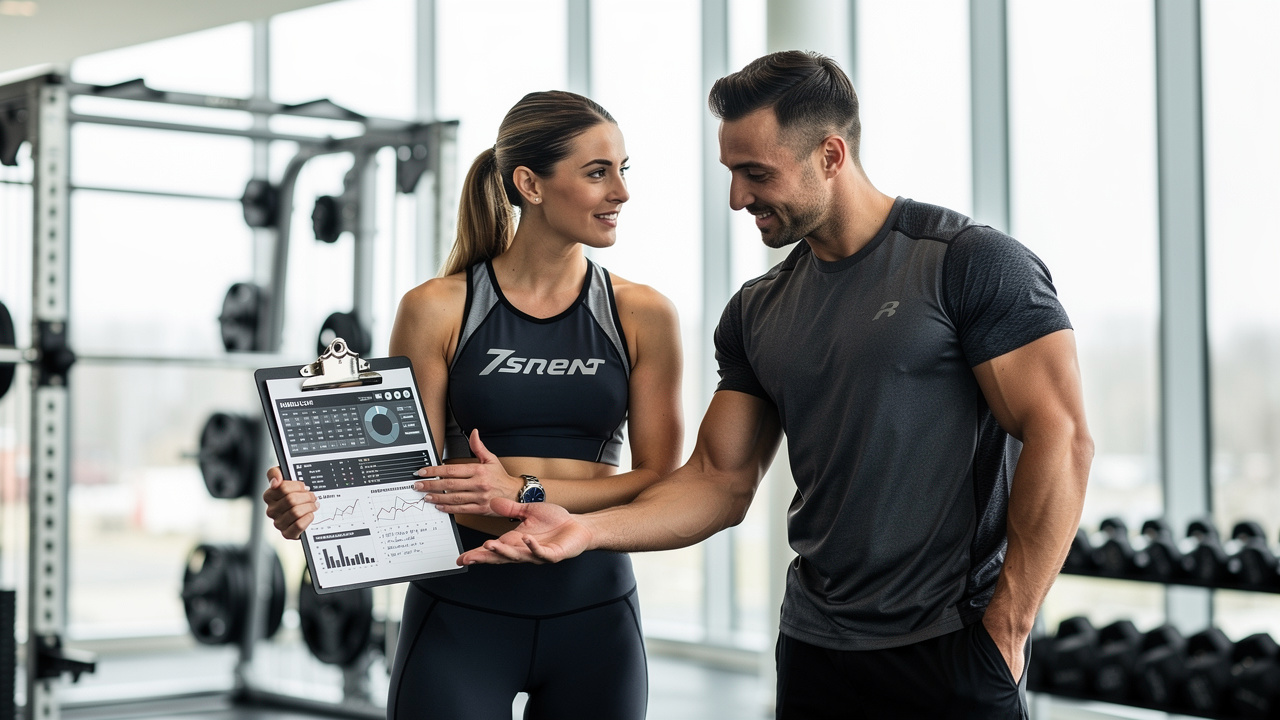
Generic online plans can help at the start, but they rarely reflect your age, swing style, work life, injury history, and goals. That is why Elite Golf Academies starts with assessment and then builds from there.
We combine:
Together, this shows not just how you swing, but why you move the way you do.
Biomechanical Assessment And Baseline Testing
During a biomechanical assessment we look at:
We then link these findings to swing data from launch monitors and 3D motion. The result is a clear picture of your starting point and realistic goals.
Integrating Fitness With Technical Coaching
Physical limits often sit behind stubborn swing faults. When the body cannot move into a position, no amount of technical talk will fix it.
Examples:
Because our fitness work and PGA coaching run side by side, changes in the gym and on the range support each other.
Ongoing Support And Programme Evolution
Progress in golf is long-term. Bodies, swings, and schedules shift over time.
We offer:
This long view helps players keep improving year after year instead of bouncing between fads.
Getting Started Your First 30 Days
Starting golf fitness can feel daunting. The first month should focus on:
Think of the first 30 days as a test phase where you learn how your body responds to golf workouts and how they fit around work and play.
Week 1â2 Assessment And Foundation Building
In the first two weeks:
Keep a short training journal covering what you did, how it felt, and any soreness. This becomes valuable when you speak with a coach at Elite Golf Academies.
Week 3â4 Increasing Volume And Intensity
In weeks three and four you can:
Training can move to 4â5 shorter sessions per week with at least one full rest day. Many golfers notice less stiffness, better balance, and a stronger strike at this stage. It is also an ideal time to book a professional assessment to plan your next steps.
Measuring Your Progress On And Off The Course
What gets measured tends to improve. Tracking progress in both fitness and golf keeps motivation high and shows whether your golf workouts are working.
We like to re-check simple benchmarks every 4â6 weeks and match them to on-course performance and launch monitor data.
Fitness Benchmarks To Track
Useful, simple tests include:
At Elite Golf Academies we use standardised assessment sheets so progress can be compared fairly over time.
On-Course Performance Indicators
The end goal is better golf. Track:
Handicap trends over 3, 6, and 12 months pull these pieces together. We often combine on-course stats with TrackMan and 3D data to give players a full picture of progress.
Conclusion
Golf-specific fitness is no longer just for tour players. It is a central part of reaching your own potential at any level. The five pillars we use at Elite Golf Academies â core stability, rotational strength, mobility, lower body stability, and endurance and recovery â all feed each other.
You do not need perfect weeks or fancy facilities, but you do need regular, focused golf workouts that reflect your body and goals. Working alone with generic plans can help at first, yet it is easy to miss hidden weak links or move towards injury.
Our experience across the UK shows that combining professional biomechanical assessment, PGA-level coaching, precise club fitting, and modern technology gives golfers a safer, faster route to better scores. A smart next step is to book a biomechanical assessment with Elite Golf Academies and set a clear starting point.
Picture stepping onto the first tee feeling strong, loose, and confident that your body will support any shot the round demands. That is the standard we work towards with every player.
FAQs
Question 1 How Long Does It Take To See Improvements In My Golf Game From Fitness Training
Most golfers feel early changes within 4â6 weeks â better mobility, less day-after soreness, and improved posture at address. With steady golf workouts, clear swing speed gains often show up between 8â12 weeks. Larger handicap shifts tend to appear over 3â6 months, especially when fitness work runs alongside technical coaching.
Question 2 I Am Over 50 Is It Too Late To Start Golf-Specific Training
It is not too late at all. In fact, structured golf workouts often help players over 50 the most. Sensible strength and mobility work can:
We start with lower loads, gradual progress, and extra focus on joint health. Many of our players over fifty report longer drives and less back pain after following a well-planned programme.
Question 3 Will Strength Training Make Me Lose Flexibility And Hurt My Swing
When designed for golfers, strength work tends to improve usable range of motion. We:
Many tour professionals now follow year-round strength plans and still swing freely. At Elite Golf Academies we balance strength, mobility, and power so you feel looser and faster, not tighter.
Question 4 How Much Time Do I Need To Dedicate To Golf Fitness Each Week
You do not need hours every day. Many golfers see progress with:
We rely on compound exercises and efficient session design so training fits around work, family, and tee times. Our online programmes at Elite Golf Academies are built with busy schedules in mind.
Question 5 Do I Need A Gym Membership Or Can I Train At Home
You can make strong progress at home. With:
â¦you can train core stability, strength, mobility, and power. A gym adds heavier weights and more machines, which helps once you have a base in place. We design programmes that work fully at home, fully in a gym, or as a mix, and we also offer virtual coaching for extra guidance.
Question 6 What Should I Do If I Experience Pain During These Exercises
Mild muscle fatigue or slight soreness when starting golf workouts is normal. Sharp, stabbing, or joint pain is not. If you feel that kind of pain:
Our biomechanical screenings at Elite Golf Academies are built to find the root cause of these issues. Never train through clear pain; fix the source first so you can keep improving safely.
Share this post


 Copied